Te Rohe Pōtae o Tūhoe is made up of four tribal communities: Waikaremoana, Ruatāhuna, Rūātoki and Te Waimana Kaaku. Each valley holds its own climate, geology and character. Together they form the living body of Te Urewera, diverse, abundant and whole.
The four whārua
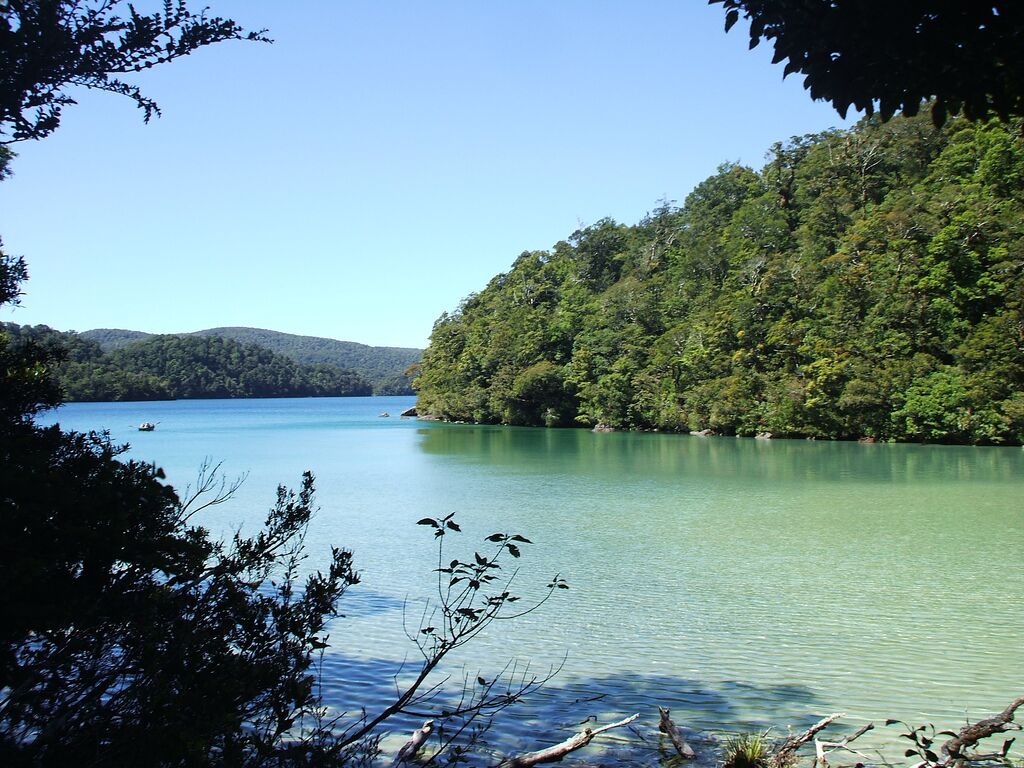
Waikaremoana
Te Waikaukau ā nā mātua tīpuna. Waikaremoana is the ancestral bathing waters and home of Haumapuhia, who, in our kōrero tukuiho, created the lake.
West of the Huiarau Ranges lie vast lakes encircled by high, rocky mountains. This is a place formidable in its beauty and heavy with history.
Here lies the Lake Waikaremoana Great Walk, where tracks and lookouts carry visitors through the stories of the area. A few hours' walk away, Lake Waikareiti rests clear and calm, its wide views a reward for the effort.
Waikaremoana holds its stories, its beauty and its wairua in equal measure.
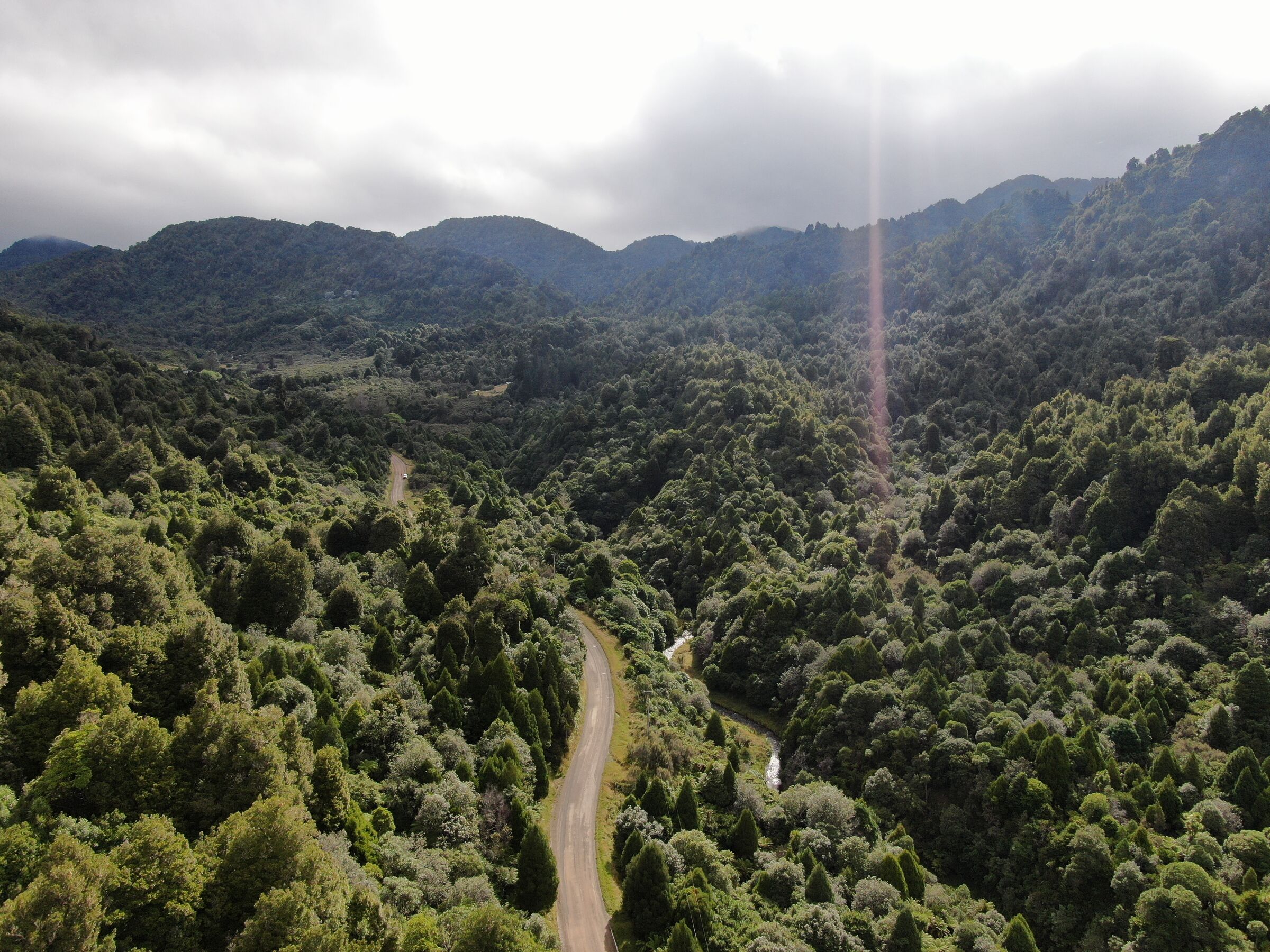
Ruatāhuna
Te Kōhana o Tūhoe. Ruatāhuna is known as the birthplace of the Tūhoe people. At Ōnīnī, in the heart of the settlement, the union of Hinepūkohurani and Te Mauna is remembered. From that union came Nā Tamariki o te Kohu, the Children of the Mist.
The mist still settles across the ranges. Rivers wind through the valleys, and the nahere lies as a cloak over the whenua. Enclosed by steep hills and deep forest, Ruatāhuna draws you inward. The further you travel into the valley, the more it reveals of its stories and its people.
This is a place alive with the mana, mauri and wairua of Tūhoe. Deep, storied, and held in the embrace of the whenua.
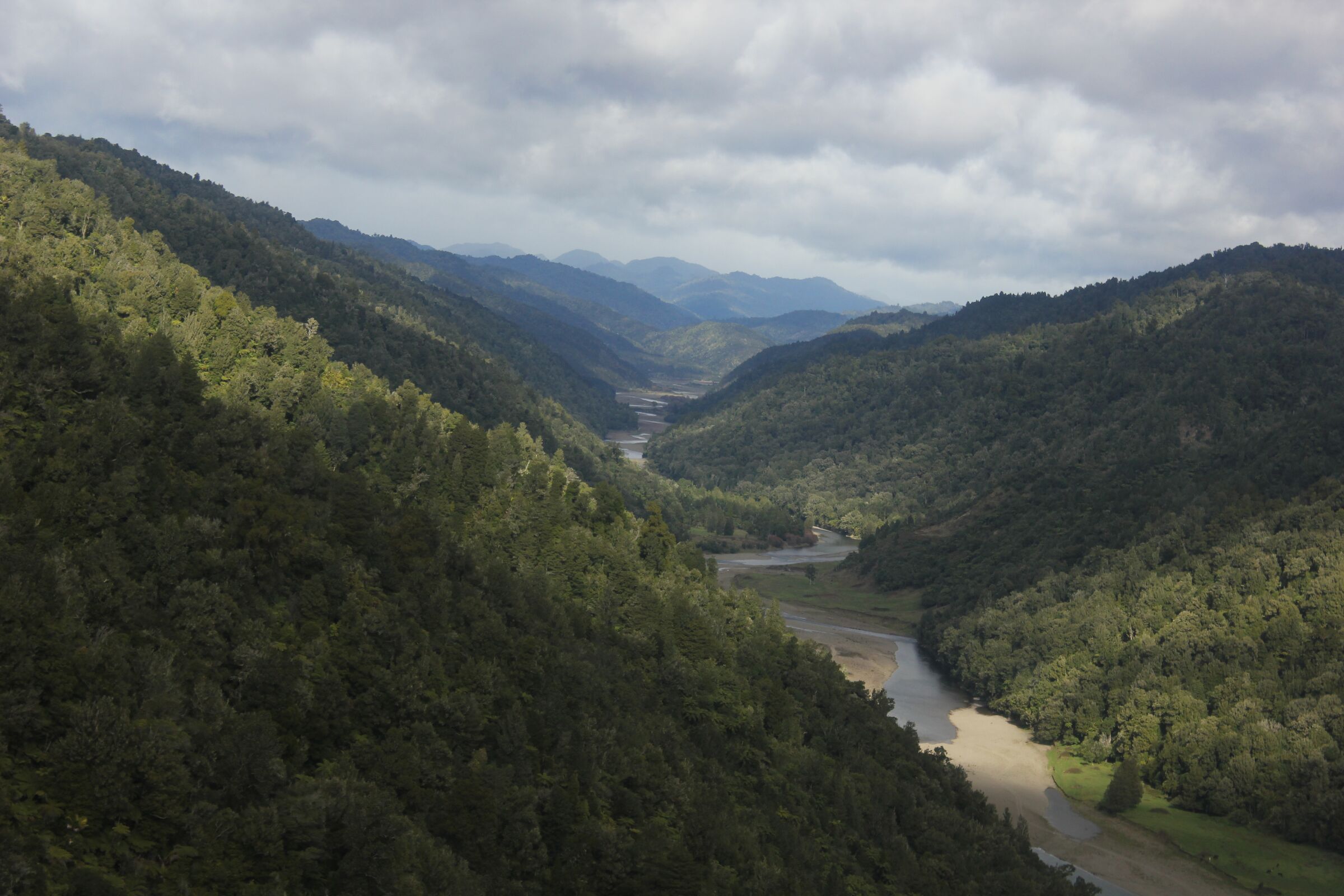
Rūātoki
Rūātoki te whenua i tāwhia, te whenua i puritia.
Rūātoki is the northern gateway to Te Urewera, where the stories of the people and the whenua cannot be told apart. Framed by the ranges and nourished by the Ōhinemataroa River, the valley is known for its fertile flats, native bush, abundant birdlife and the enduring presence of Tūhoe.
Here, Te Urewera begins to open. The Ōhinemataroa broadens as it moves through the valley, and fertile flats spread beneath the ranges. River, whenua, nahere and people meet here, and in that meeting Rūātoki finds its character.
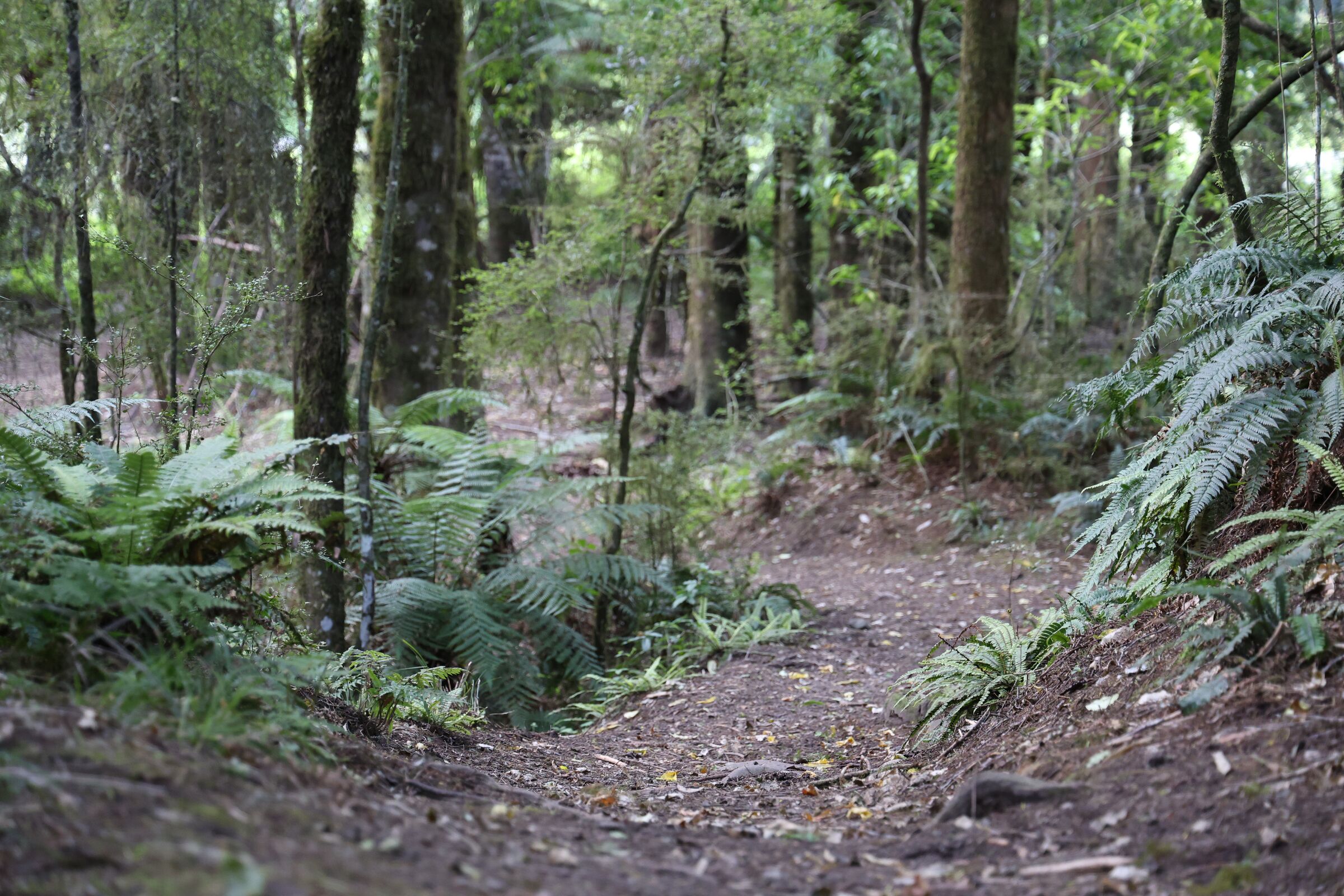
Te Waimana Kaaku
Te Waimana is the eastern doorstep of Te Urewera, where the rivers, forests and mountains of the nahere meet the lowlands. Shaped by the Taurana River, its whenua is rich and fertile. Generations past tended many māra kai here, and its soils were known for all they gave.
Like Rūātoki, Waimana is open and wide, lighter and warmer than the valleys deeper within. Long hours of sun have shaped a place where people have long cultivated the whenua and lived alongside its rivers and forests.
Today, the Taurana River, walking tracks and riverside campsites invite you to come to know Waimana for yourself.
Biodiversity across Te Urewera
Te Urewera is one of the largest remaining expanses of indigenous forest in the North Island. Her importance lies not only in her size, but in the diversity of waters, forests and ecosystems held across her whārua.
From the lakes of Waikaremoana to the forested valleys of Ruatāhuna, Rūātoki and Te Waimana, each part contributes to the health of the whole.
Together they are home to kiwi, kōkako, whio, kākā, kererū, kārearea, ruru, pekapeka, native fish, frogs, reptiles and hundreds of indigenous plant species.
Why biodiversity matters
Biodiversity is more than a count of species. It is the measure of the relationships between whenua, wai, nahere and every living thing that depends on them.
When the forest is well, the birds thrive. When the waters are well, native fish and freshwater life flourish. When these systems are protected and connected, they endure for the generations to come.
The challenges
Like indigenous ecosystems across Aotearoa, Te Urewera is under ongoing pressure from possums, rats, stoats, deer, pigs, feral cats, invasive aquatic weeds and myrtle rust.
Much of this harm is hidden. A forest can appear well while the species and habitats within it are under strain.
Protecting Te Urewera asks for long-term commitment, watchful monitoring and active management across every part of her.
History
The history of pest management in Te Urewera reflects a series of changing Crown mandates, each with its own understanding of what needed to be protected and how success should be measured. For much of the twentieth century the focus was not biodiversity alone, but objectives such as national park preservation, soil conservation, erosion control and flood protection in the catchments flowing from Te Urewera.
Over time, the focus shifted toward threatened species and ecosystem restoration. Today, Te Kawa o Te Urewera asks a different question: not simply what was controlled, but how our actions contribute to the health of Te Urewera as a living system.
Today, Tūhoe and the Te Urewera Board seek to learn from the past rather than repeat it, working to understand, restore and contribute to the health of Te Urewera as a living system.
What each mandate counted as success
The standard of health, and the thing that was actually measured
| Period | Organisation / Mandate | What Counted as Success (Health Standard) | What Was Measured |
|---|
| 1952-1987 | National Parks Authority; Lands and Survey | Natural state. Health defined as the absence of introduced species, judged against a condition with no people present. | Operations, kills, and hectares treated. Because "as far as possible" was a direction rather than a target, effort itself became the measure. Control work followed public access routes, huts, and tracks. |
| 1956-1987 | New Zealand Forest Service | Protective forest cover maintained. Health defined as soil remaining on slopes and water being released slowly. | Understorey vegetation, seedlings, and litter measured through exclosure plots and transects. Catchments prioritised according to downstream erosion and flood risk, with north-flowing catchments ranked above south-flowing. |
| 1987-2009 | Department of Conservation (DOC) | Focus initially on threatened species, later expanding to whole ecosystems. | Kill counts and populations of kiwi and whio. Monitoring relied heavily on data gathered by staff and volunteers. |
| 2009-2014 | DOC Natural Heritage Priority | Nationally ranked ecosystem management units. | Te Urewera's ranking relative to other places in New Zealand. Priorities were set regionally and nationally and coordinated from Taupō. |
| 2014-Present | Te Urewera Board | Te Kawa: her living system and our impact upon it. | Not yet settled. Te Kawa seeks to measure our impact against Te Urewera's standards rather than counting pest kills. |
For those interested in exploring this history in more detail, the Chronology of Biodiversity in Te Urewera provides a record of introductions, pest control activities, policy changes, research, and management milestones that have shaped Te Urewera over time.
Chronology of Biodiversity in Te Urewera (PDF) ↓